Source Powder Thickener Hydroxypropyl Methyl Cellulose for Construction, Cosmetics, and Painting
Find 30 listings for powder thickener hydroxypropyl methyl cellulose used in construction, cosmetics, and painting. Compare specifications like viscosity grades, raw materials, and certifications from verified suppliers.
Key considerations
Products List




Comprehensive Sourcing Guide
Powder Thickener Hydroxypropyl Methyl Cellulose Sourcing Guide
Procuring powder thickener hydroxypropyl methyl cellulose (HPMC) requires a disciplined approach to distinguishing between construction-grade binders and specialized industrial thickeners. The market offers a wide spectrum of products, ranging from basic water-retention agents for cementitious systems to high-viscosity grades used in cosmetics and daily chemical applications. Buyers must navigate this diversity by focusing on specific functional attributes rather than generic product names. The core keyword often encompasses multiple chemical profiles, including varying degrees of substitution for hydroxypropyl and methoxyl groups, which directly dictate solubility, viscosity, and thermal stability. Understanding these distinctions is critical for aligning supplier offerings with precise manufacturing or construction requirements.
This guide provides evidence-based procurement strategies for sourcing HPMC powder, leveraging observed market signals and technical specifications. It addresses the verification of raw material sources, certification requirements, and commercial terms that influence total cost of ownership. By focusing on concrete data points such as CAS numbers, packing standards, and after-sales service levels, buyers can mitigate supply chain risks. The following sections detail the essential steps for evaluating suppliers, ensuring product consistency, and establishing long-term procurement reliability for this versatile polymer.
Product Scope and Observed Listing Signals
The observed market for HPMC powder reveals a significant price range, spanning from low-cost construction materials to premium industrial grades. Listings indicate a minimum order quantity (MOQ) flexibility, with some suppliers offering samples as small as 200 grams, while others require bulk orders up to 1,000 units. This variance suggests a bifurcated market where small-scale testing and large-scale industrial procurement coexist. Buyers should interpret the lower end of the price spectrum as indicative of construction-grade products, which prioritize cost-efficiency and water retention, while higher price points may correlate with specialized grades featuring stricter purity controls and specific viscosity profiles.
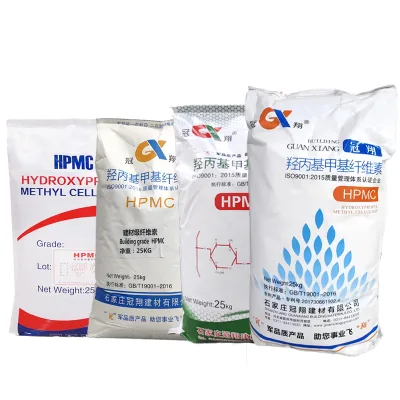
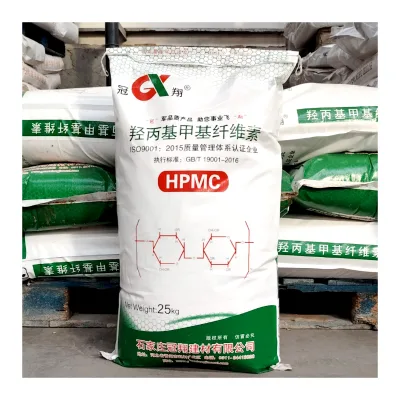
Product appearances are consistently reported as white powders, with packaging typically standardized at 25 kg per plastic bag, often lined with a PE bag for moisture protection. The observed models include specific designations such as HPMC, E5, E15, K100M, and various H-series codes like MH300 or H4000. These model numbers are not merely identifiers but often encode viscosity or substitution levels. Buyers must verify that the listed model corresponds to the required performance characteristics, as generic listings may obscure critical differences in molecular weight or functional group content. The availability of customization further indicates that suppliers can tailor products to specific pH ranges or application methods, such as spray or brush application.
Technical Specifications to Verify
Verification of the chemical composition is the primary technical hurdle in HPMC procurement. The core raw material is often cited as cotton or refined cotton, with some listings specifying fine cotton or even wood-derived sources. Buyers must confirm the main raw material to ensure consistency in impurity levels and fiber structure. Additionally, the CAS number 9004-65-3 is a critical identifier for HPMC, but it does not guarantee specific substitution levels. It is essential to verify the content of hydroxypropyl groups, which typically ranges from 7% to 12%, and methoxyl groups, which may range from 26% to 30%. These percentages determine the polymer’s solubility in cold water and its resistance to enzymatic degradation.
Functional properties such as pH, drying method, and substrate compatibility must also be rigorously checked. The observed pH range of 4-8 suggests a neutral to slightly acidic product, which is suitable for many construction and cosmetic applications. However, buyers should confirm if the product is designed for air drying or other specific drying methods, as this affects the curing process in coatings or mortars. The substrate compatibility varies, with some grades optimized for ceramic or glass applications, while others are formulated for general construction use. Understanding the formation mechanism, whether conversion type or film-forming, helps in predicting the final product’s durability and adhesion properties.
Compliance and Safety Documentation
Certification status is a key indicator of supplier reliability and product safety. The market offers products with various certifications, including SGS, ISO, BV, and CE marks. Buyers should prioritize suppliers who provide SGS reports for chemical composition and purity, as this third-party verification adds a layer of trust. ISO certification indicates adherence to international quality management standards, which is crucial for consistent batch-to-batch performance. The presence of multiple certifications, such as ISO, SGS, and BV, suggests a mature supply chain with robust quality control processes. However, buyers must verify that the certifications are current and applicable to the specific product grade being purchased.
Safety and handling documentation, such as Material Safety Data Sheets (MSDS), are essential for safe storage and application. While specific safety data is not detailed in the observed listings, the presence of certifications implies that suppliers adhere to relevant safety standards. Buyers should request MSDS documents to understand potential hazards, handling precautions, and first-aid measures. Additionally, the inspection process, often cited as 100% testing before delivery, is a critical quality control step. Buyers should inquire about the specific tests performed, such as viscosity, gelation temperature, and ash content, to ensure the product meets their technical specifications.
Cost Drivers and Commercial Terms
The total cost of HPMC procurement is influenced by several factors, including raw material costs, manufacturing complexity, and commercial terms. The observed competitiveness of low price and high quality suggests that some suppliers offer value-driven solutions, but buyers should be cautious of prices that seem unusually low, as they may indicate inferior raw materials or inconsistent quality. The trade terms, such as FOB, CIF, and CFR, significantly impact the final landed cost. Buyers should calculate the total cost, including shipping, insurance, and customs duties, to make informed decisions. The availability of samples at a low cost allows for preliminary testing without significant financial commitment.
After-sales service and warranty policies are also important cost considerations. Some suppliers offer top-grade after-sales service or a one-year warranty, which can reduce long-term risks associated with product failure. The policy for defective products, often cited as 100% replacement, provides additional protection for buyers. However, buyers should clarify the conditions under which replacements are granted and the process for claiming them. Understanding these commercial terms helps in negotiating favorable contracts and ensuring that the supplier is committed to long-term partnership and product support.
Supplier Qualification and Quality Control
Supplier qualification involves assessing the manufacturer’s capabilities, production facilities, and quality management systems. The observation of direct factory sales indicates that some suppliers are manufacturers rather than traders, which can offer advantages in terms of price and technical support. Buyers should verify the supplier’s production capacity and lead times to ensure they can meet demand. The use of specific raw materials, such as refined cotton or wood, should be confirmed through factory audits or third-party inspections. Suppliers who provide detailed information about their production processes and quality control measures are generally more reliable.
Quality control processes, including 100% testing before delivery, are critical for ensuring product consistency. Buyers should request detailed test reports for each batch, including data on viscosity, methoxyl and hydroxypropyl content, and pH. The ability to provide samples for testing is a positive indicator of supplier confidence in their product. Additionally, buyers should assess the supplier’s responsiveness to technical queries and their willingness to customize products to meet specific requirements. A supplier that offers comprehensive technical support and flexible customization options is better positioned to meet the evolving needs of the buyer.
Long-Term Procurement Checks
Establishing a long-term procurement strategy for HPMC requires regular performance reviews and supplier evaluations. Buyers should monitor the consistency of product quality over time, tracking any variations in viscosity, solubility, or appearance. Regular audits of the supplier’s quality control processes and certification status are essential to maintain high standards. The relationship between the buyer and supplier should be built on transparency and mutual trust, with clear communication channels for addressing issues and resolving disputes. Long-term partnerships can lead to better pricing, priority service, and collaborative product development.
Continuous market monitoring is also important for staying informed about new product developments and industry trends. Buyers should stay updated on changes in raw material costs, regulatory requirements, and technological advancements in HPMC production. This knowledge can help in making strategic decisions about inventory management, supplier diversification, and product selection. By maintaining a proactive approach to procurement, buyers can mitigate risks, optimize costs, and ensure a steady supply of high-quality HPMC powder for their operations.
FAQs
What is the main raw material for this powder thickener?
The main raw material is fine cotton or refined cotton, not synthetic fibers. This natural base ensures high purity and consistent viscosity for construction and daily chemical applications.
Which certifications do the manufacturers typically hold?
Manufacturers often hold ISO, SGS, BV, and CE certifications to verify product quality. These documents confirm compliance with international standards for safety and performance in various industrial uses.
How is the product packed for international shipping?
The product is packed in 25kg plastic bags inside with PE bags or drums. This double-layer packaging protects the powder from moisture and ensures safe transport during global delivery.
Can buyers request customization for specific applications?
Yes, customization is available to meet specific client requirements for different industrial needs. Buyers can discuss tailored specifications with suppliers to ensure the product fits their unique production processes.
What is the typical pH range of the solution?
The pH range of the solution is typically between 4 and 8. This neutral to slightly acidic range makes it suitable for a wide variety of substrates including ceramic and glass surfaces.
Which models are available for different viscosity needs?
Available models include E5, E15, K100M, MH300, H2000, H3000, and H4000. These models offer varying viscosity levels to suit different thickening and emulsifying requirements in construction and cosmetics.
What after-sales service is provided by the supplier?
Suppliers provide top-grade after-sales service including a one-year warranty period. They also offer 100% replacement for defective products and conduct 100% testing before delivery to ensure quality.